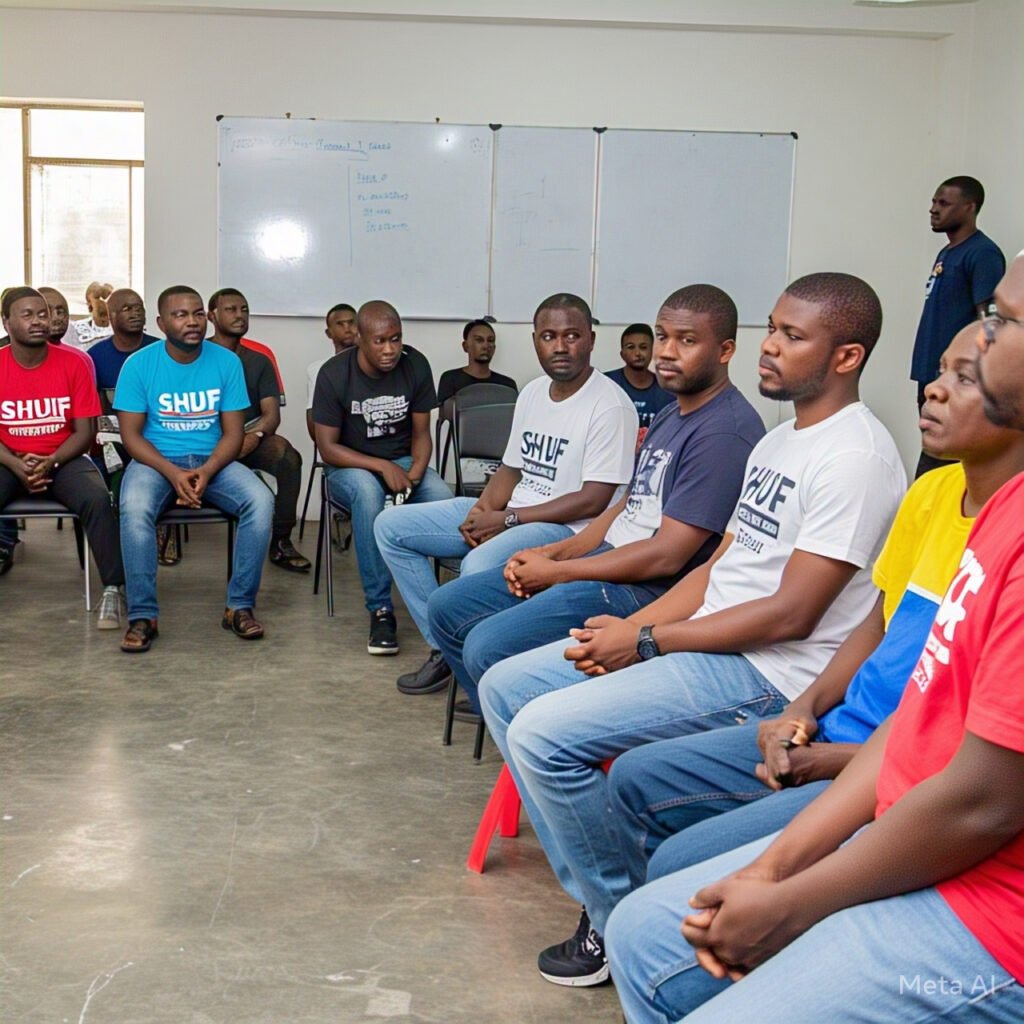
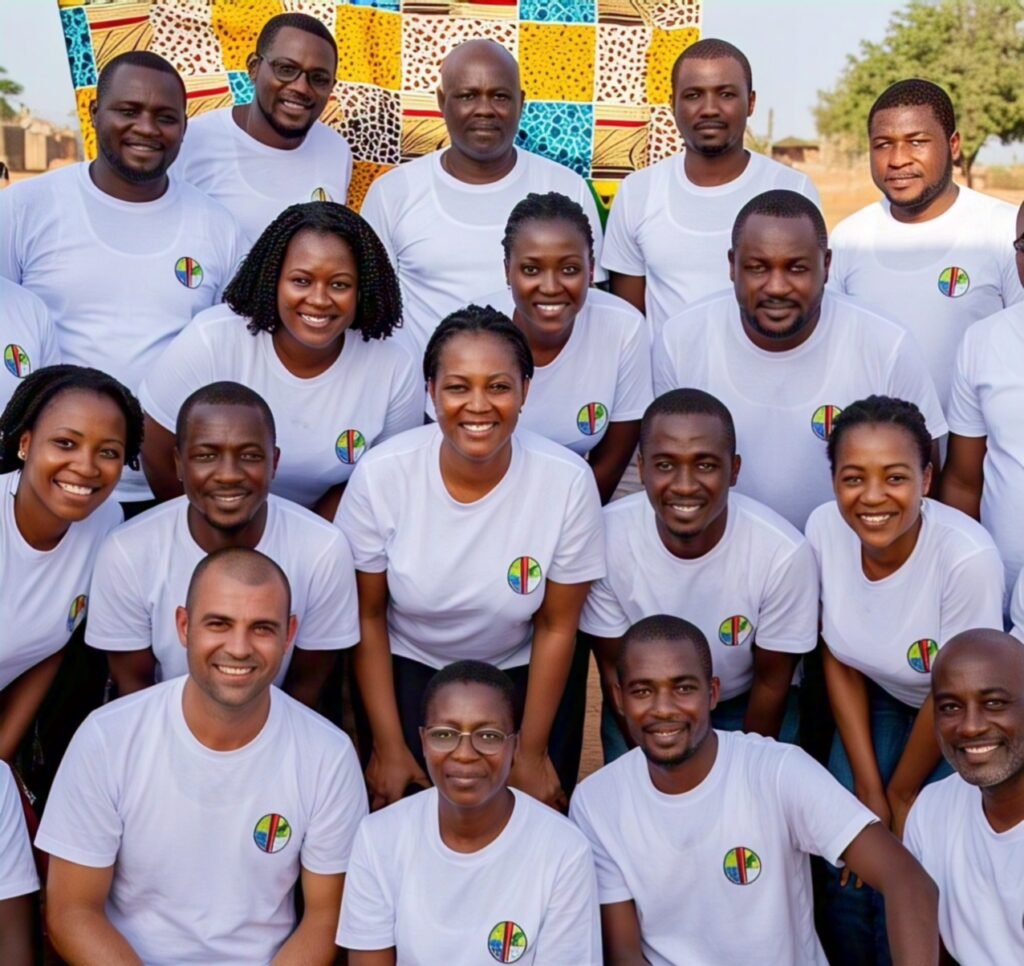
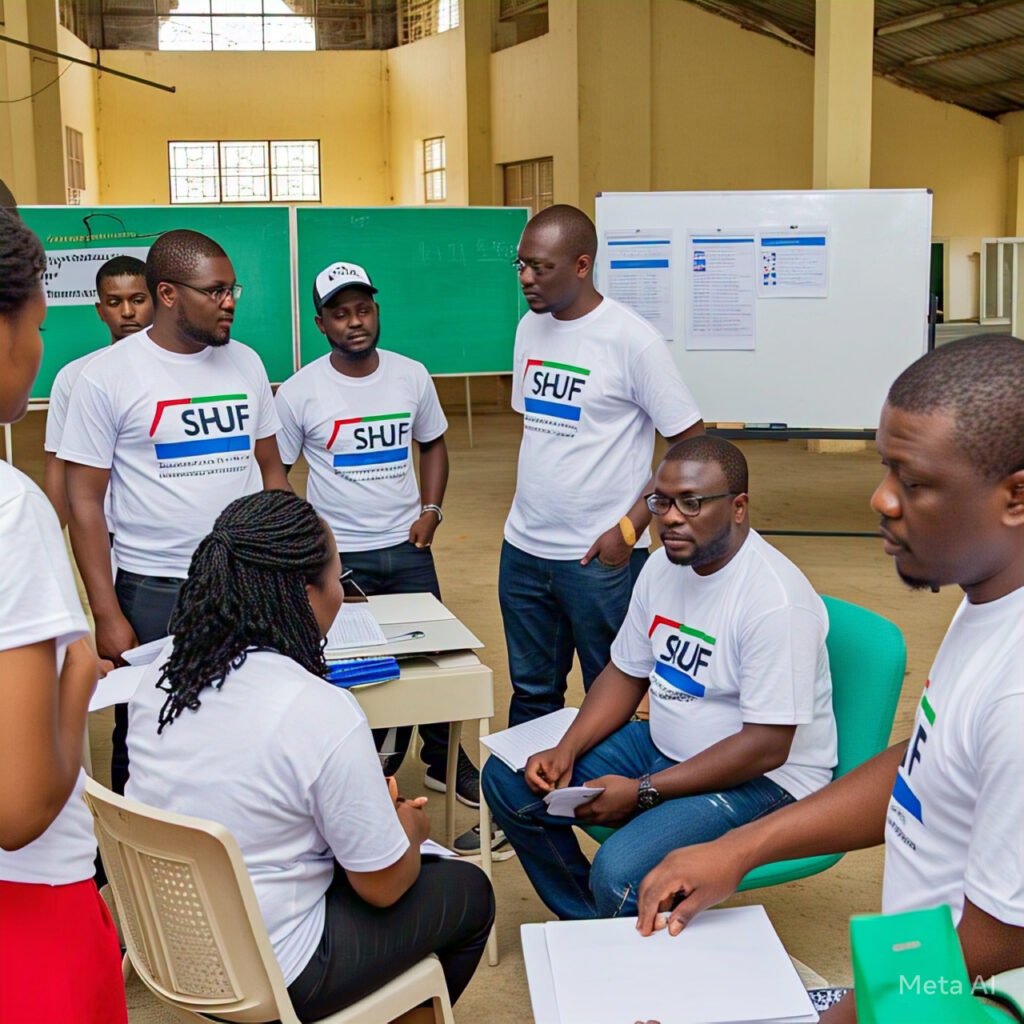
SHUF Volunteers Training Seminar-Paper 5: Hands-On Activity . By Barr. Irikefe Rupert.
Hands-On Activity (1 hour)
– Role-Playing Scenarios:
– Practice situations volunteers may encounter (e.g., engaging with families, conflict resolution).
– Feedback Session:
– Discuss what worked and areas for improvement.
Hands-On Activities at SHUF: Engaging Communities through Practical Learning
Introduction
Hands-on activities play a vital role in the mission of Students Helping Unite Families (SHUF). By incorporating practical, interactive experiences into its programming, SHUF enhances the learning process for both families and volunteers. These activities not only foster skill development but also strengthen community bonds and promote active participation. This essay explores the significance of hands-on activities at SHUF, the various types of activities offered, and their impact on individuals and the community.
Importance of Hands-On Activities
Hands-on activities are crucial for several reasons:
1. Active Engagement: Practical experiences encourage active participation, making learning more dynamic and enjoyable. Participants are more likely to retain information and skills when they are directly involved in the process.
2. Real-World Application: Hands-on activities allow participants to apply theoretical knowledge in practical settings. This connection between theory and practice enhances understanding and prepares individuals for real-life situations.
3. Skill Development: Engaging in hands-on activities helps individuals develop essential skills, such as teamwork, problem-solving, and critical thinking. These skills are valuable not only within the context of SHUF but also in personal and professional environments.
4. Community Building: Participating in group activities fosters relationships among families, volunteers, and community members. This sense of connection is vital for creating a supportive and collaborative environment.
Types of Hands-On Activities at SHUF
SHUF offers a diverse range of hands-on activities that cater to the interests and needs of families and volunteers. Some of the key types include:
1. Workshops and Skill-Building Sessions
– Crafting Workshops: Families can participate in art and crafting sessions that promote creativity and self-expression. These workshops often involve creating items that can be used at home or donated to those in need.
– Cooking Classes: SHUF organizes cooking sessions where families learn to prepare nutritious meals. These classes not only teach cooking skills but also emphasize healthy eating habits and meal planning.
2. Community Service Projects
– Volunteer Days: SHUF coordinates community service projects that encourage families and volunteers to work together on initiatives such as park cleanups, food drives, or helping at local shelters. These projects promote teamwork and a sense of responsibility toward the community.
– Gardening Initiatives: Families can participate in community gardening projects, learning about sustainable gardening practices while beautifying their neighborhoods and providing fresh produce.
3. Educational Field Trips
– Learning Excursions: SHUF organizes field trips to local museums, cultural centers, or science facilities. These outings provide families with opportunities to engage in hands-on learning experiences and explore new interests.
– Nature Exploration: Outdoor activities, such as hiking or nature walks, promote physical activity while encouraging families to connect with their environment and learn about local ecosystems.
4. Family Fun Days
– Interactive Games and Activities: SHUF hosts family fun days featuring various games and activities that encourage family bonding and teamwork. Activities may include relay races, scavenger hunts, and team-building exercises.
– Cultural Celebrations: Hands-on activities during cultural celebrations, such as cooking traditional dishes or participating in cultural crafts, allow families to share and celebrate their heritage while learning about others.
Impact of Hands-On Activities
The impact of hands-on activities at SHUF is profound and far-reaching. For families, these activities provide opportunities for skill development, increased confidence, and improved relationships. Families who participate in hands-on activities often report a greater sense of connection to the community and a stronger support network.
For volunteers, engaging in hands-on activities enhances their ability to connect with families and understand their needs. These experiences promote empathy and strengthen the volunteers’ commitment to SHUF’s mission. Moreover, hands-on activities contribute to building a vibrant community culture where individuals feel valued and included. By fostering collaboration and encouraging active participation, SHUF creates an environment where families can thrive.
Conclusion
Hands-on activities are a vital component of SHUF’s programming, providing opportunities for engagement, skill development, and community building. Through workshops, service projects, educational outings, and family fun days, SHUF empowers families and volunteers to learn, connect, and grow together. The impact of these activities extends beyond individual experiences, fostering a sense of belonging and collaboration within the community. As SHUF continues to prioritize hands-on activities, it remains committed to its mission of uniting and uplifting families through practical, meaningful experiences.