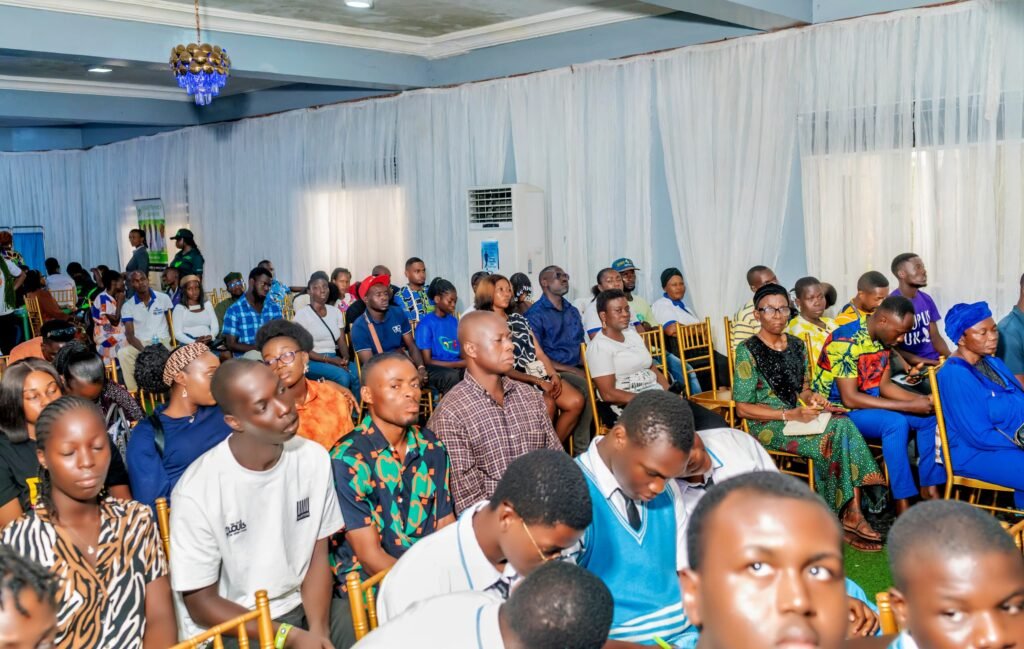
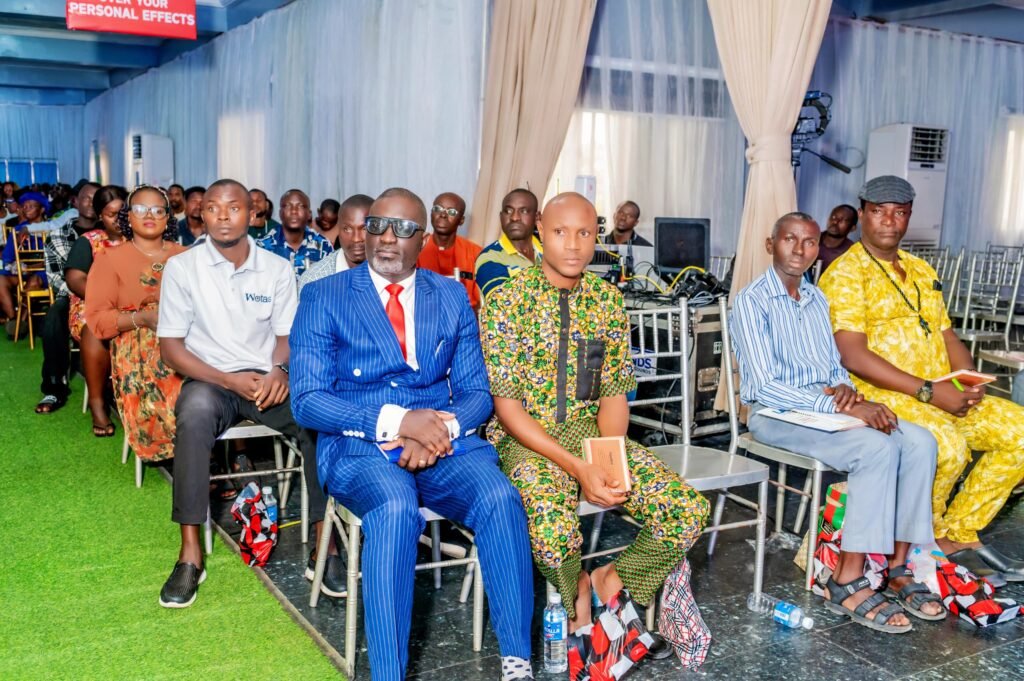
SHUF SEMINAR ON PPROTECTING THE VULNERABLE AND MARGINALIZED GROUPS
introduction
PPROTECTING THE VULNERABLE AND MARGINALIZED GROUPS
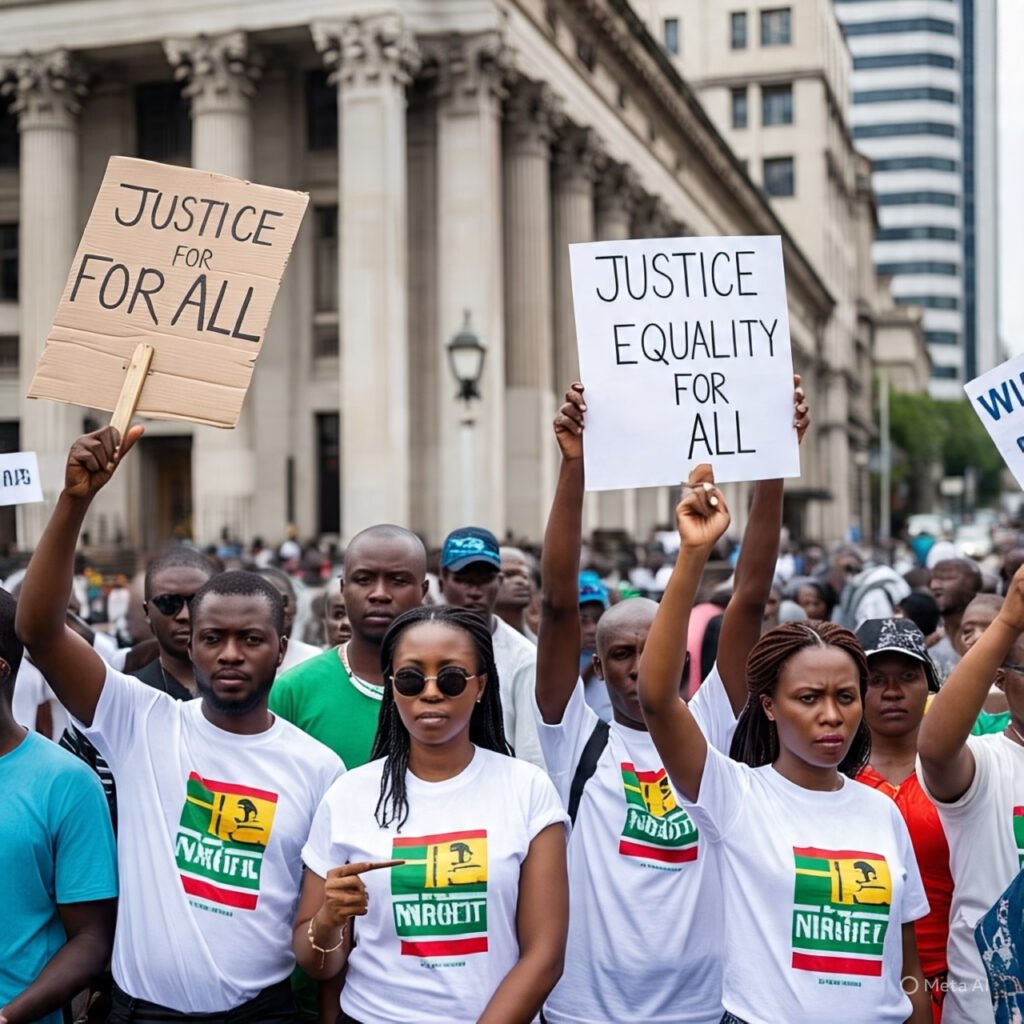
In Nigeria, a nation rich in cultural diversity yet fraught with socio-economic challenges, the plight of vulnerable and marginalized populations remains a pressing concern. This abstract seeks to illuminate the critical need for proactive measures aimed at protecting these groups—ranging from women and children to internally displaced persons and ethnic minorities. The vulnerabilities they face are exacerbated by systemic inequalities, violence, and a lack of access to essential services, which often leave them voiceless and powerless in society.
By emphasizing human rights as an inherent entitlement, we advocate for a comprehensive framework that addresses the unique needs of these populations. This includes implementing policies that promote social justice, equitable resource distribution, and legal protection against discrimination and violence. Moreover, fostering community engagement and awareness is essential to empower marginalized individuals to advocate for their rights and dignity.
The role of the National Human Rights Commission is pivotal in championing these initiatives, ensuring that vulnerable populations are not only protected but also celebrated for their resilience and contributions to society. Together, we can cultivate an inclusive environment where every individual, regardless of their background, is afforded the respect and opportunities they deserve. By uniting our efforts, we can forge a path towards a more just and equitable Nigeria, where the voices of the vulnerable resonate, and their rights are upheld. In this endeavor, we find hope and a profound commitment to the intrinsic worth of every human life.
1. Addressing Vulnerabilities of Marginalized Groups in Nigeria:
• Vulnerabilities faced by women, children, IDPs, and ethnic minorities due to systemic inequalities, violence, and lack of essential services.
• Advocating for a comprehensive framework focusing on human rights, social justice, equitable resource distribution, and legal protection.
2. Importance of Community Empowerment:
• Emphasizing community engagement and awareness to empower marginalized individuals to advocate for their rights and dignity.
3. Role of National Human Rights Commission:
• The pivotal role of the National Human Rights Commission in championing initiatives to protect and celebrate vulnerable populations in Nigeria.
4. Cultivating Inclusive Environment:
• Advocating for creating an inclusive environment where every individual, irrespective of background, receives the respect and opportunities they deserve.