House Renovation for a Religious Community at Idowa
introduction
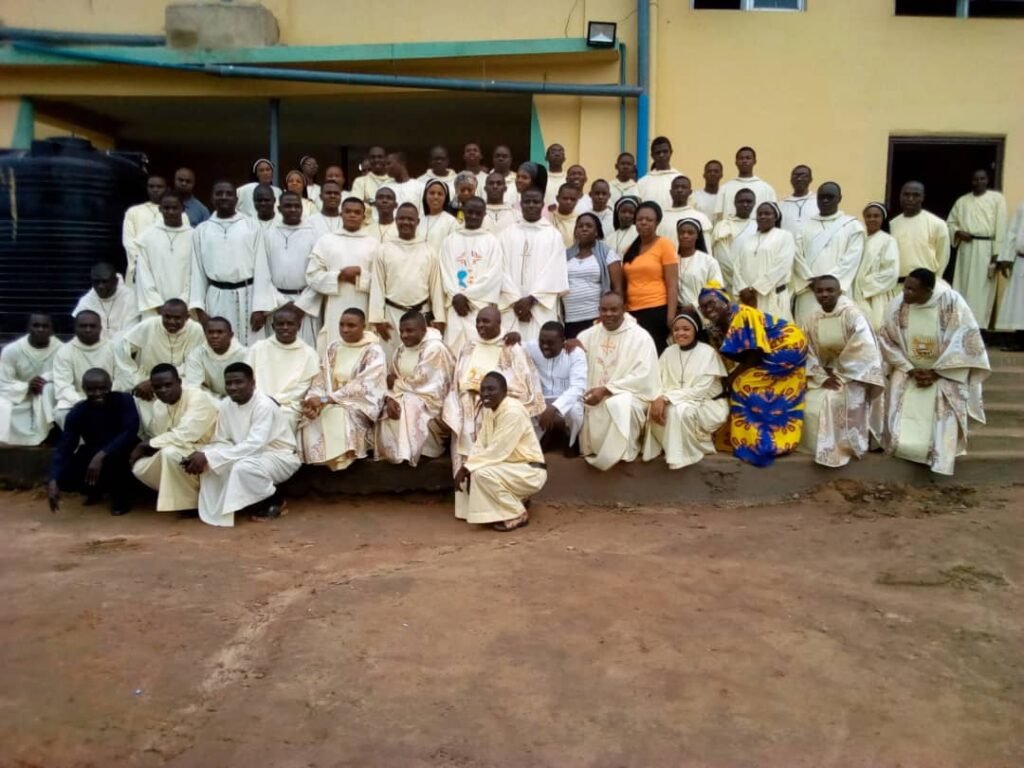
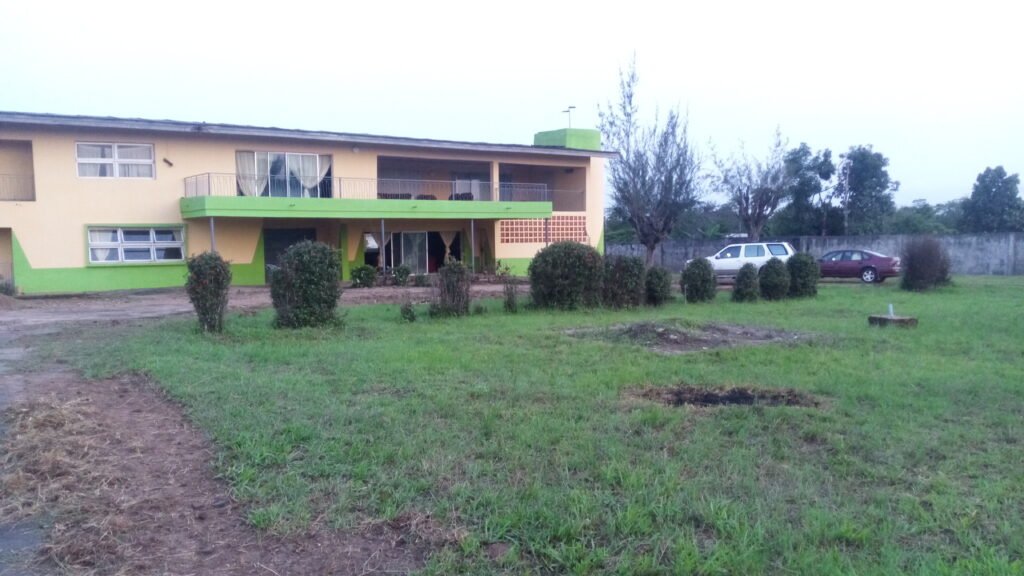
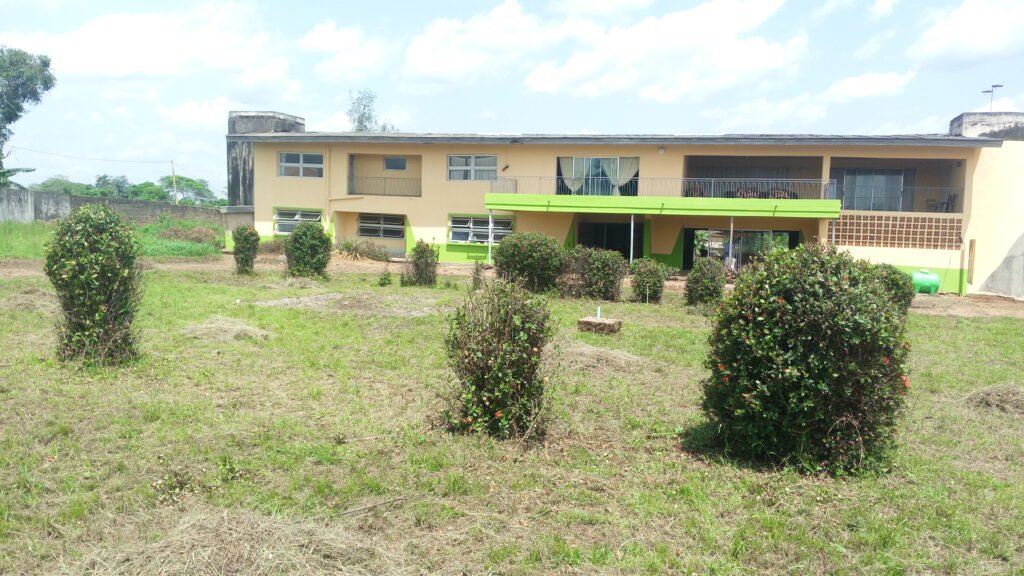
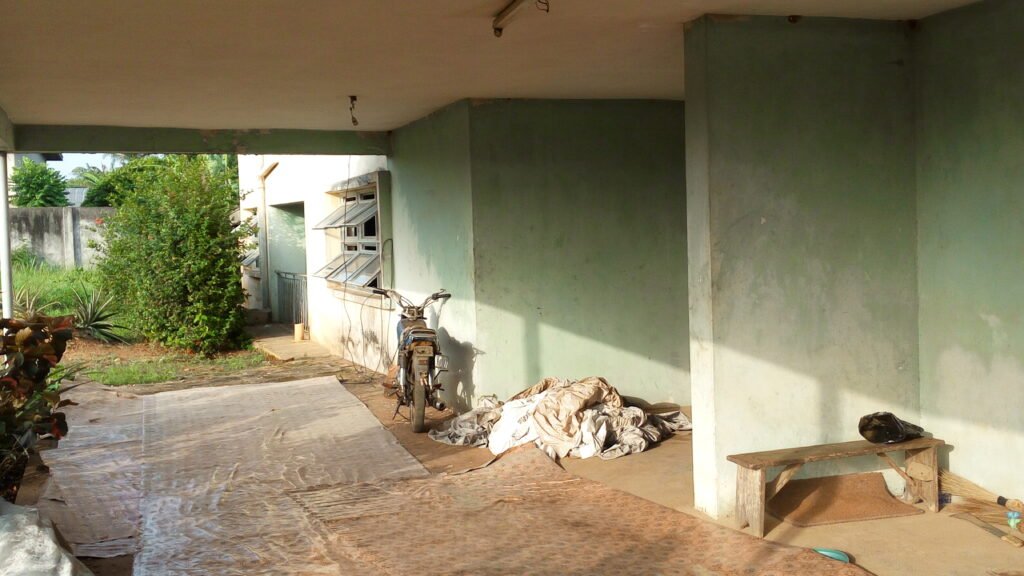
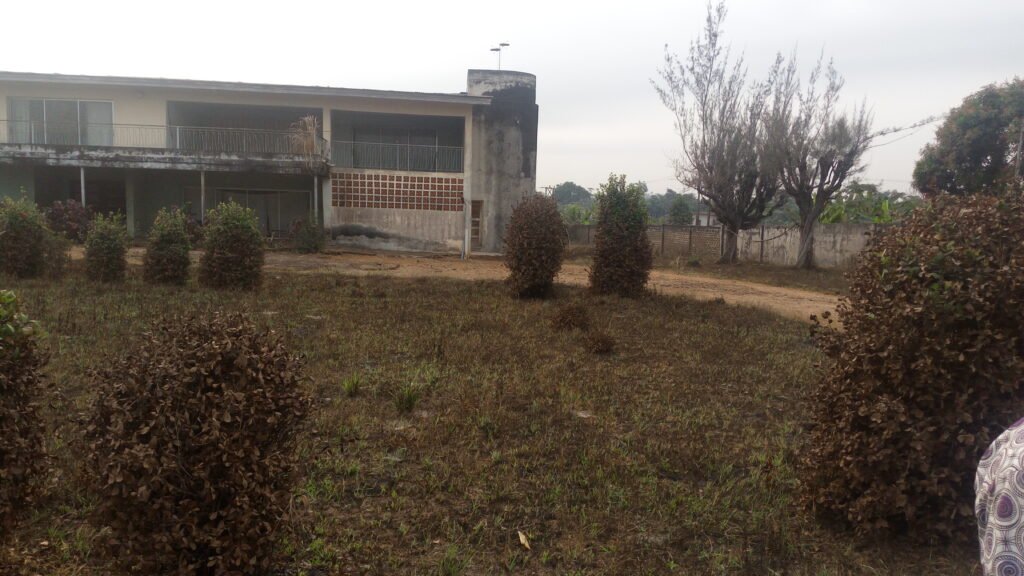
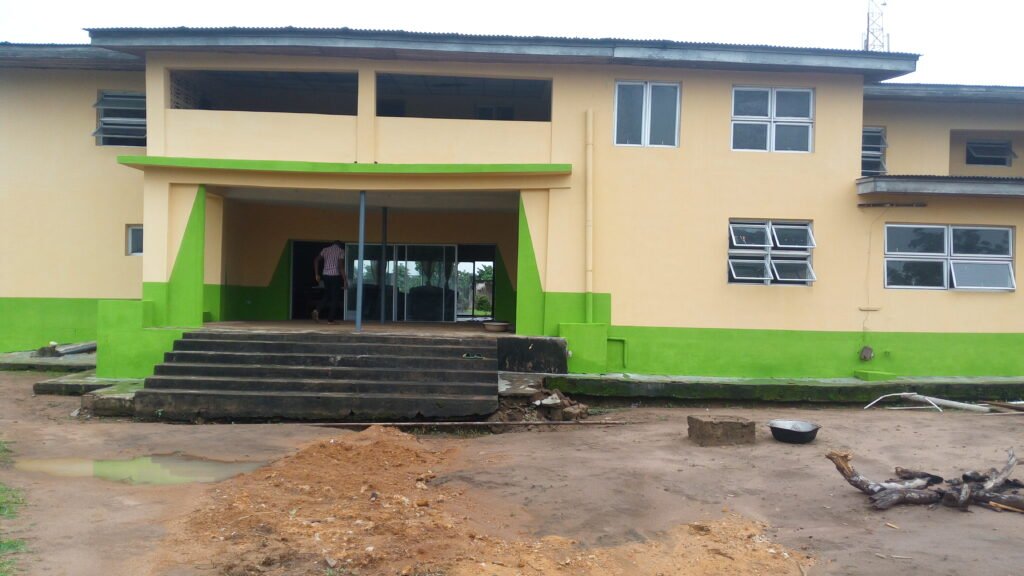
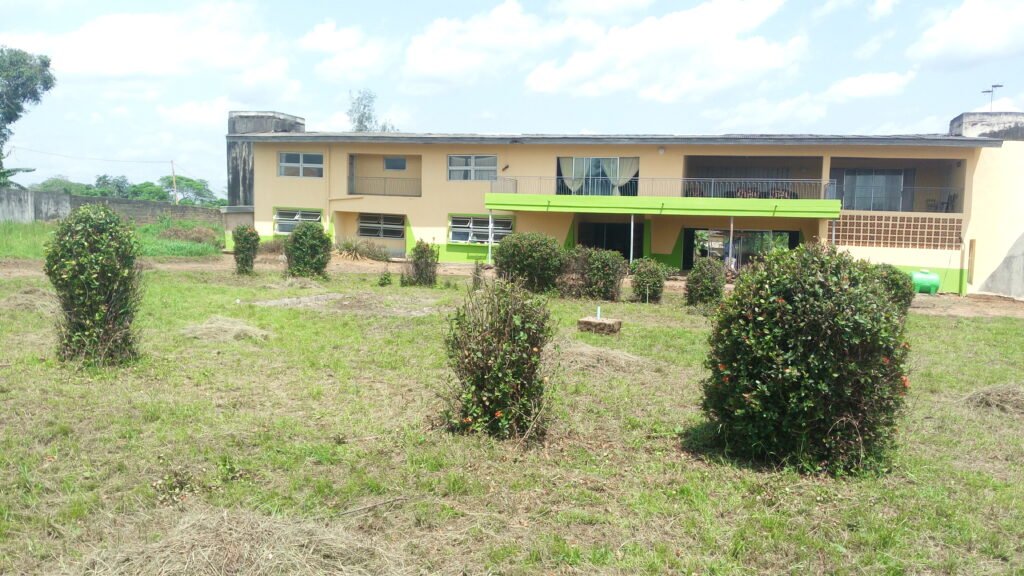
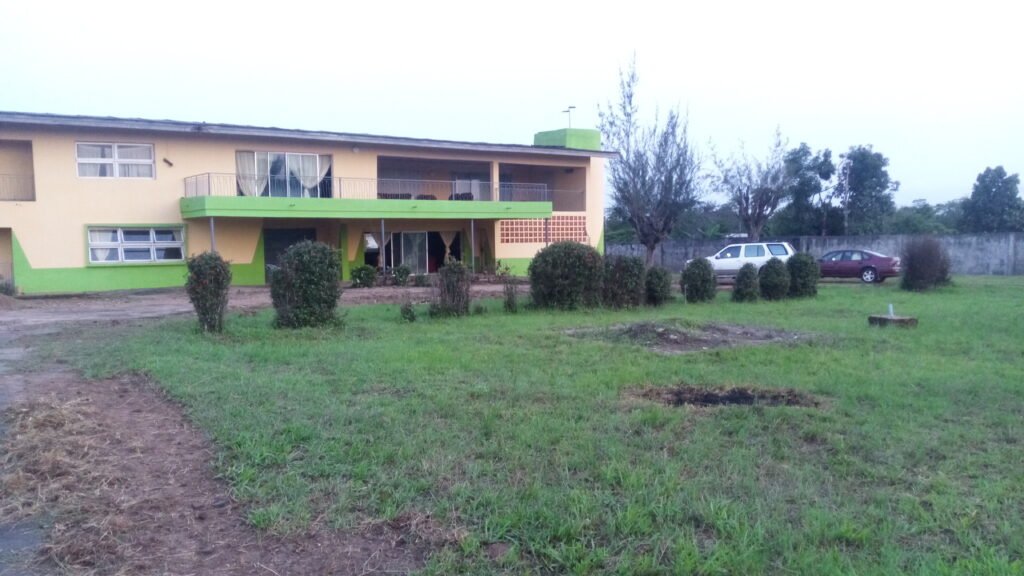
The SHUF initiatives endeavour, toke significant step in supporting the local religious community by renovating their home. This report highlights the key aspects of the project which has brought back hope and joy in the life of the Missionary community and their life and mission in the community.
Background:
The Lambs Missionary community’s home in Ijabu Ode, Ogun State, had fallen into disrepair, affecting the community’s ability to gather and practice their faith comfortably. the Community leaders reaching out to our organization in a cry for help, recognizing the importance of this space, Safeguard Humanity Foundation SHUF stepped in to provide support.
Project Scope:
It was a house renovation project which included:
1. Structural repairs
2. Interior design and decoration
3. Electrical and plumbing upgrades
4. Accessibility improvements
Implementation:
SHUF worked closely with local contractors and the religious community leaders to ensure the renovation met their needs and expectations. The project was completed within the scheduled one month time frame and budget.
Impact:
The renovated home has:
1. Enhanced the community’s worship experience
2. Improved safety and accessibility
3. Fostered a sense of community and belonging
4. Demonstrated SHUF’s commitment to supporting local communities
The SHUF initiative has made a meaningful difference in the lives of the religious community in Ijabu Ode. This project showcases the positive impact of philanthropy and community support.
Details of Renovation
1. Structural Repairs:
Structural repairs involve fixing issues with the building’s foundation, walls, roof, and other load-bearing elements. This may include:
– Repairing or replacing damaged or rotten wood
– Fixing cracks in walls and foundations
– Strengthening or replacing beams and columns
– Re-roofing or repairing leaky roofs
– Addressing settlement issues or uneven foundations
The goal is to ensure the building is stable, secure, and safe for occupants.
2. Interior Design and Decoration:
Interior design and decoration focus on creating a functional and aesthetically pleasing space. This may include:
– Selecting colors, finishes, and materials for walls, floors, and ceilings
– Designing and installing custom furniture and fixtures
– Choosing lighting fixtures and layouts
– Incorporating artwork, textiles, and other decorative elements
– Creating a cohesive visual identity and brand for the space
The goal is to create a welcoming and inspiring environment that meets the community’s needs.
3. Electrical and Plumbing Upgrades:
Electrical and plumbing upgrades involve modernizing the building’s systems to ensure safety, efficiency, and reliability. This may include:
– Upgrading electrical panels and wiring
– Installing new lighting fixtures and outlets
– Replacing outdated plumbing fixtures and pipes
– Installing water-efficient fixtures and appliances
– Ensuring compliance with local building codes and regulations.


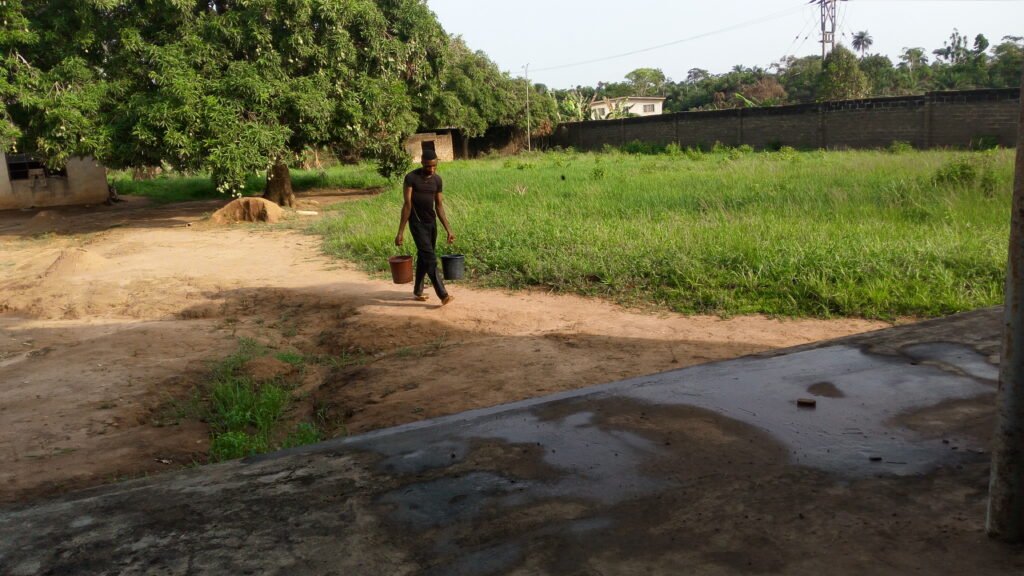

The goal is to provide a safe and functional environment for occupants.
4. Accessibility Improvements:
Accessibility improvements aim to make the building usable and inclusive for everyone of its members, regardless of age or ability. This includes:
– Installing ramps or lifts for wheelchair access
– Widening doorways and hallways
– Creating accessible restrooms with grab bars and lowered sinks
– Installing Braille signage and tactile markers
– Ensuring clear navigation and way finding
The goal is to create an inclusive environment that welcomes and supports all members of the community.
These upgrades can significantly enhance the building’s functionality, safety, and overall user experience.
Potential sustainability measures, community engagement and involvement, and long-term maintenance planning for the SHUF initiative’s renovation project:
Sustainability Measures:
1. Energy-efficient systems: Installing solar panels, LED lighting, and energy-efficient appliances to reduce energy consumption.
2. Water conservation: Implementing low-flow fixtures and greywater reuse systems to minimize water waste.
3. Eco-friendly materials: Using sustainable building materials, such as reclaimed wood, bamboo, and low-VOC paints.
4. Waste management: Implementing a recycling program and minimizing construction waste.
Community Engagement and Involvement:
1. Community consultation: Conducting regular meetings and surveys to ensure the renovation meets the community’s needs and expectations.
2. Volunteer opportunities: Providing opportunities for community members to participate in the renovation process, fostering a sense of ownership.
3. Capacity building: Offering training and workshops on maintenance, repair, and sustainability to empower the community.
4. Inclusive design: Incorporating accessible features and designs that cater to diverse needs.
Expected outcomes of the entire renovation project, including the borehole:
1. Enhanced Worship Experience: A renovated and functional space for worship, fostering a deeper sense of community and spirituality. 2. Improved Quality of Life: Access to clean water, improved sanitation, and a safe and healthy environment. 3. Increased Community Engagement: A renovated space that encourages community members to gather, socialize, and participate in activities. 4. Sustainable Development: A borehole providing a reliable source of clean water, reducing dependence on external sources. 5. Empowered Community: A sense of pride and ownership among community members, empowering them to thrive and grow. 6. Positive Impact on Health: Reduced risk of waterborne diseases and improved overall health and well-being. 7. Increased Productivity: More time and energy for community members to focus on their daily activities, such as worship, education, and community service.
Expected outcomes of the borehole project for the Lambs Missionaries community:
1. Reliable Water Source: A sustainable and reliable source of clean water for the community. 2. Improved Health: Reduced risk of waterborne diseases and improved overall health and well-being. 3. Increased Productivity: More time available for community members to focus on their daily activities, such as worship, education, and community service. 4. Enhanced Community Life: A sense of security and stability, enabling the community to thrive and grow.
5. Environmental Benefits: Reduced reliance on surface water sources, potentially reducing the risk of water pollution.
6. Economic Benefits: Potential cost savings from reduced water transportation costs and improved economic productivity. These outcomes can have a positive impact on the community’s quality of life, health, and economic well-being. These outcomes can have a transformative impact on the Lambs Missionaries community, enhancing their spiritual, social, and economic well-being.
WE ARE GRATEFUL
A huge thank you to our amazing donors for their kindness and generosity in empowering us for the renovating of the Lambs Missionary’s home! Your support means the world to us and will help us continue our mission of spreading love, compassion and giving hope to the people. Thank you for believing in us
Secratery General: Dr. Helen Ngwengain