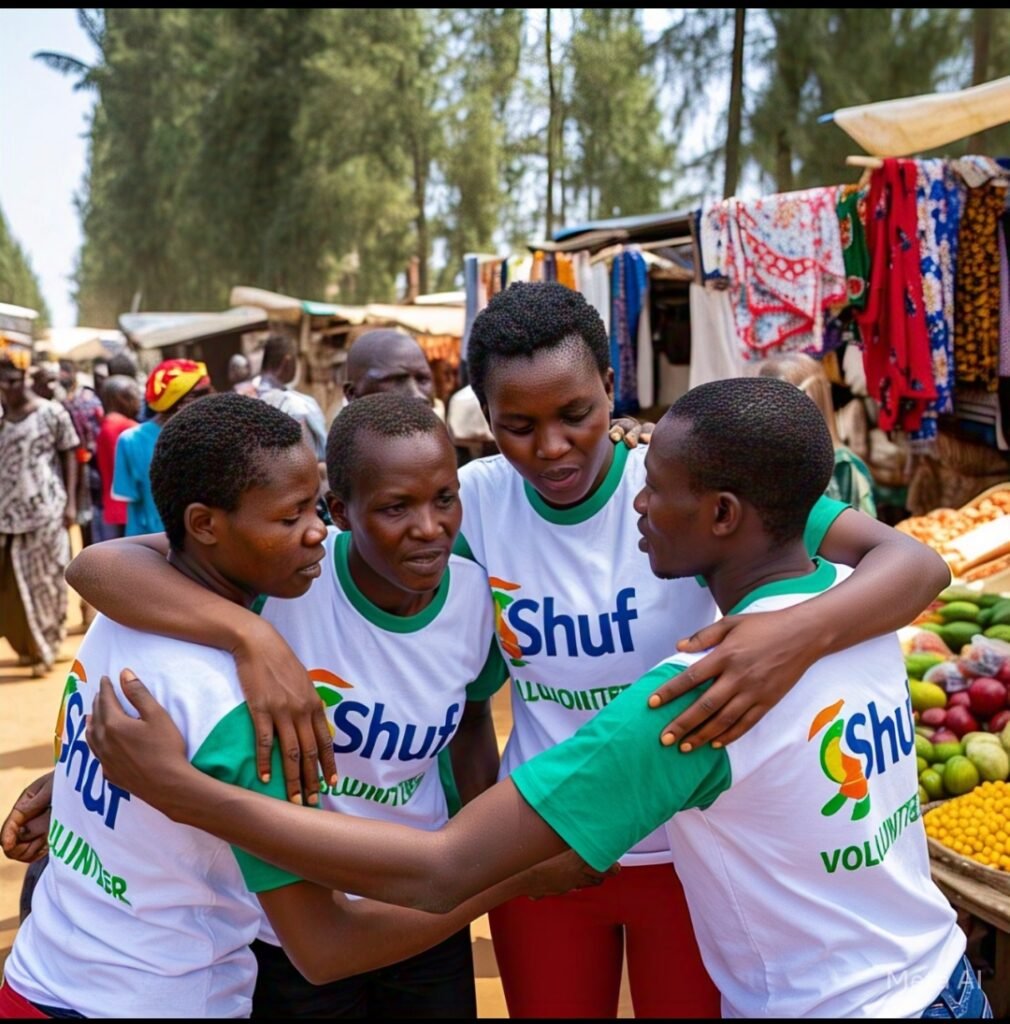
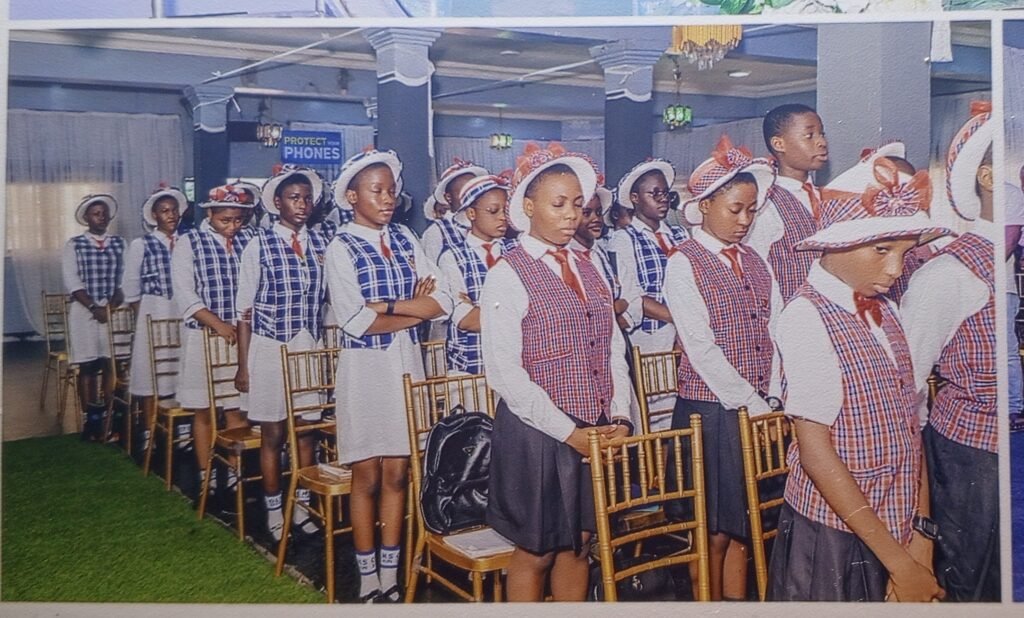
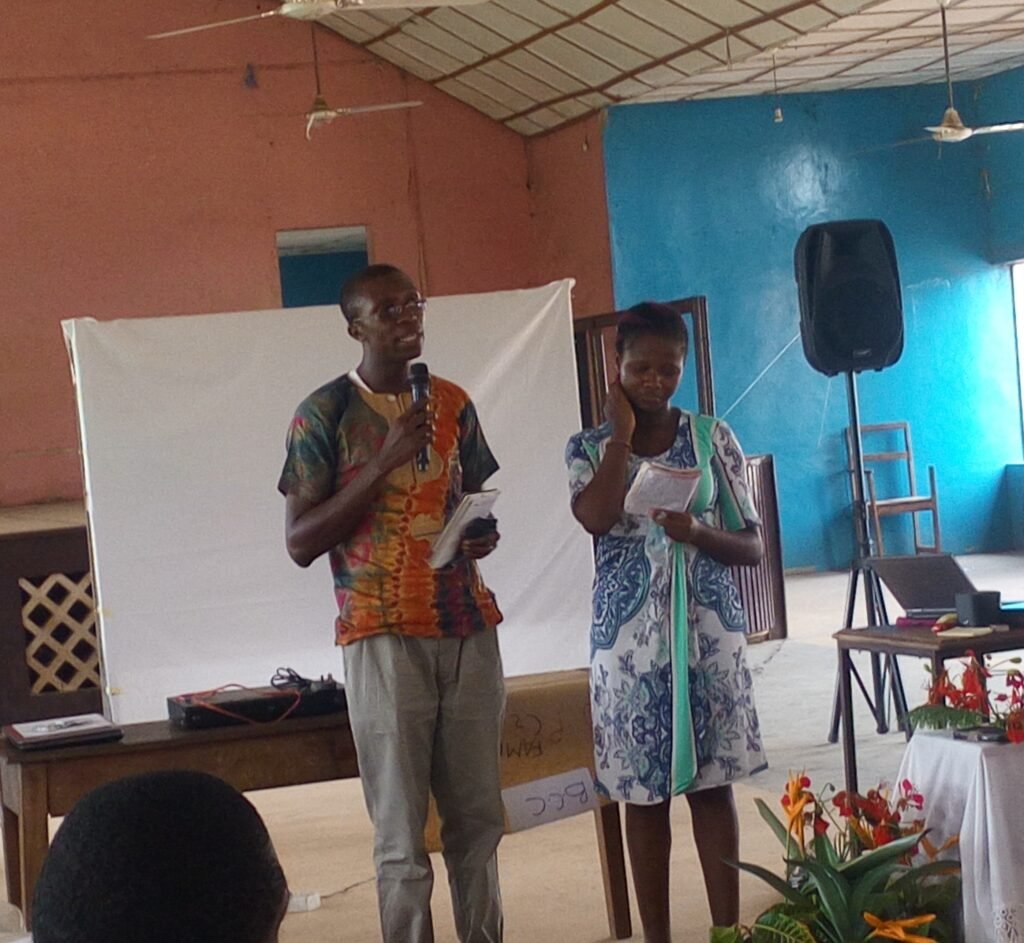
The Effect of Early Marriage sensitization seminar organized for Idowa community Ondo State.
Introduction
Early marriage is defined as the formal union of individuals, typically under the age of 18, often before they have reached physical and emotional maturity.
– Purpose of the Presentation: This presentation aims to explore the multifaceted effects of early marriage on society, focusing on education, community engagement, and the necessity for policy change.
I. The Impact of Early Marriage on Education
A. Disruption of Education
– Statistics: According to UNESCO, approximately 12 million girls are married before the age of 18 each year, significantly limiting their access to education.
– Consequences: Early marriage often leads to school dropout, as young brides are expected to assume domestic responsibilities, which can disrupt their educational pursuits.
B. Long-term Effects on Economic Opportunities
– Correlation Between Education and Income: Those who marry early typically have lower levels of education, which correlates with limited job opportunities and higher poverty rates.
– Cycle of Poverty: Lack of education perpetuates a cycle where the children of young brides are also at risk of early marriage, thus continuing the cycle of poverty and limited educational access.
C. Empowerment Through Education
– Importance of Educating Young Women: Educating girls is one of the most effective ways to prevent early marriage. Higher educational attainment empowers young women to make informed choices about their futures.
II. Community Engagement and Awareness
A. Role of Communities
– Community Norms and Traditions: Many communities uphold traditions that favor early marriage. Engaging with community leaders and influencers is critical in challenging these norms.
– Successful Community Programs: Examples of grassroots initiatives that have successfully reduced early marriage rates through awareness campaigns, workshops, and community discussions.
B. Peer Education
– Youth Involvement: Involving young people in discussions about early marriage can foster peer-to-peer education, making the issue more relatable and impactful.
– Creating Support Networks: Establishing support groups for girls at risk of early marriage, where they can share experiences and resources, promotes resilience and knowledge.
C. Collaboration with NGOs and Local Organizations
– Holistic Approaches: Working with non-governmental organizations (NGOs) and local entities can create comprehensive programs that address the root causes of early marriage, combining education, health, and economic support.
III. The Need for Policy Change
A. Legal Framework and Enforcement
– Setting Legal Age for Marriage: Advocating for a legal minimum age for marriage and ensuring that these laws are enforced can help prevent early marriages.
– Education Policies: Increasing investment in education, particularly for girls, through scholarships, free school supplies, and accessible schooling facilities.
B. Health Policies
– Access to Reproductive Health Services: Providing access to reproductive health education and services is crucial for young people, empowering them to make informed choices about their bodies and futures.
– Support for Young Mothers: Policies should be in place to support young mothers, providing them with healthcare, education, and employment opportunities.
C. Monitoring and Evaluation
– Assessing Policy Effectiveness: Implementing mechanisms to monitor and evaluate policies related to early marriage and education is essential for understanding what works and making necessary adjustments.
– Summation of Key Points: Early marriage significantly impacts education, community dynamics, and necessitates comprehensive policy changes. It is a multifaceted issue that cannot be addressed in isolation.
– Call to Action: Engaging all stakeholders—governments, communities, parents, and young people—is critical in combating early marriage. Together, we can build a society that values education and empowers young individuals to make informed choices about their lives.
This presentation framework provides a comprehensive overview of early marriage, emphasizing the critical areas of education, community involvement, and the need for policy change, encouraging thoughtful dialogue and action among all participants.
1. Traditional Beliefs and Practices
– Cultural Norms: Many communities have longstanding traditions that view marriage as a rite of passage. Early marriage is often normalized and seen as a way to transition young girls into adulthood.
– Patriarchal Structures: The patriarchal nature of many societies in Oyo State means that families may prioritize marrying off their daughters early to ensure they are financially supported by husbands, often viewing this as fulfilling family responsibilities.
2. Economic Factors
– Poverty and Economic Security: Economic challenges can lead families to marry off daughters early as a strategy for financial security. In some cases, marriages are seen as a way to reduce economic burdens.
– Bride Price: In some cultures, the practice of paying a bride price can incentivize families to arrange marriages at a younger age in exchange for financial gain.
3. Gender Roles and Expectations
– Gender Inequality: Girls are often taught from a young age that their primary roles are as wives and mothers, leading families to prioritize marriage over education for girls.
– Family Honor and Reputation: In some communities, a family’s honor may be tied to the perceived chastity of daughters, leading to early marriages to secure that honor.
4. Social Pressures and Peer Influence
– Community Expectations: Social pressure to conform to community norms can influence families to marry off daughters early, as families may fear social stigma if they do not adhere to these practices.
– Peer Dynamics: Young girls may feel pressure from peers who are getting married or starting families, leading them to believe that early marriage is a desirable pathway.
5. Religious Influences
– Religious Teachings: Some religious doctrines may promote early marriage as a means to adhere to cultural and religious values, thereby influencing the decisions made by families regarding their daughters.
6. Lack of Education and Awareness
– Limited Educational Access: In areas where educational opportunities for girls are limited, families may see little value in investing in a girl’s education when she can be married off early.
– Low Awareness of Consequences: A lack of awareness about the negative impacts of early marriage on health, education, and economic prospects can lead families to continue the practice unknowingly.
These cultural factors create a complex web of influences that perpetuate early marriage in Oyo State. Addressing this issue requires a multifaceted approach that includes education, community engagement, and advocacy for policy changes to raise awareness and shift societal norms.


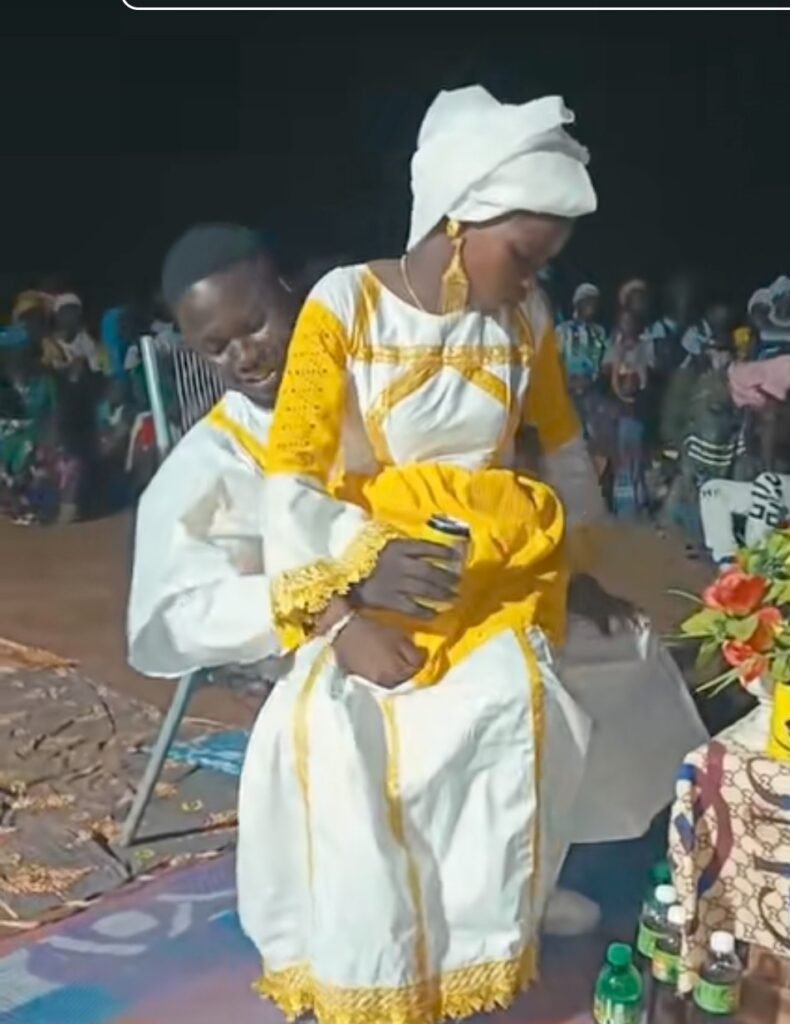
Religious and cultural roles and expectations play a significant role in perpetuating the practice of early marriage in Idowa, Ondo State and similar regions. Here’s how these factors influence early marriage:
1. Defined Gender Roles
– Expectations of Women: In many communities, traditional gender roles dictate that women’s primary responsibilities are to marry, bear children, and manage the household. These expectations can pressure families to prioritize marriage over education for girls.
– Value of Femininity: Societal norms often associate a woman’s worth with her ability to marry and fulfil domestic roles, leading to the belief that early marriage is a desirable path for young girls.
2. Patriarchal Structures
– Male Authority: In patriarchal societies, decisions about marriage are frequently made by male family members, which may result in young girls being married off without their input or consent.
– Control Over Women’s Lives: The reinforcement of male dominance can lead to the belief that women should be controlled and that early marriage is a means to ensure that control is maintained.
3. Social Pressure and Community Expectations
– Conformity to Norms: Families may feel pressured to conform to societal expectations surrounding marriage, fearing social stigma or isolation if they do not marry off their daughters according to community norms.
– Peer Influence: Young girls may observe their peers marrying at a young age and feel societal pressure to follow suit, perpetuating the cycle of early marriage as a “norm.”
4. Reputation and Honor
– Family Honor: In many cultures, a family’s honour is closely tied to the chastity and marriageability of their daughters. Early marriage is sometimes viewed as a way to safeguard a girl’s reputation and, by extension, the family’s honour.
– Reducing Sexual Risks: Families may believe that marrying their daughters early protects them from extramarital relationships or premarital sexual encounters, based on the notion that a married woman is more respected within society.
5. Economic Considerations
– Dependency on Men: Traditional gender roles often see women as dependents of their husbands. Families may marry off daughters early to alleviate perceived economic burdens and secure financial support through their husbands.
– Bride Price Practices: Economic incentives such as bride price can encourage early marriages, with families seeing financial gain as a means to ensure their daughter’s future security.
6. Limited Access to Education
– Educational Disparities: Since society often prioritizes boys’ education over girls’, girls may have reduced access to educational opportunities, reinforcing the idea that their primary role should be as wives and mothers rather than educated professionals.
– Perceived Value of Education: Communities may undervalue girls’ education, resulting in the belief that investing in a girl’s future is unnecessary if marriage is the expected outcome.
Conclusion
The interplay of defined gender roles and societal expectations significantly contributes to the prevalence of early marriage in Oyo State. Addressing these issues requires community dialogue, education, and initiatives that promote gender equality and empower young girls to pursue their education and personal aspirations. By challenging traditional gender norms and societal pressures, communities can begin to shift perspectives on the value of girls and their right to delay marriage in favour of education and personal development.